
Water Heater Installation in the USA
Our technicians replace water heaters when the tank shows heavy scale or leaks at the seams. We measure the existing unit's height and diameter to fit the new one in the same spot without moving walls or pipes. Gas models require proper vent pipe slope while electric ones need 240 volt breakers rated for the wattage.
Homeowners should turn off the cold water supply and the power or gas at the unit if water is pooling on the floor. This stops further damage until we arrive. We then decide between a standard tank model or a tankless unit based on the home's demand and the size of the existing gas line. Faucet drips waste water and Jersey Plumbing fixes them during water heater installation visits in USA.
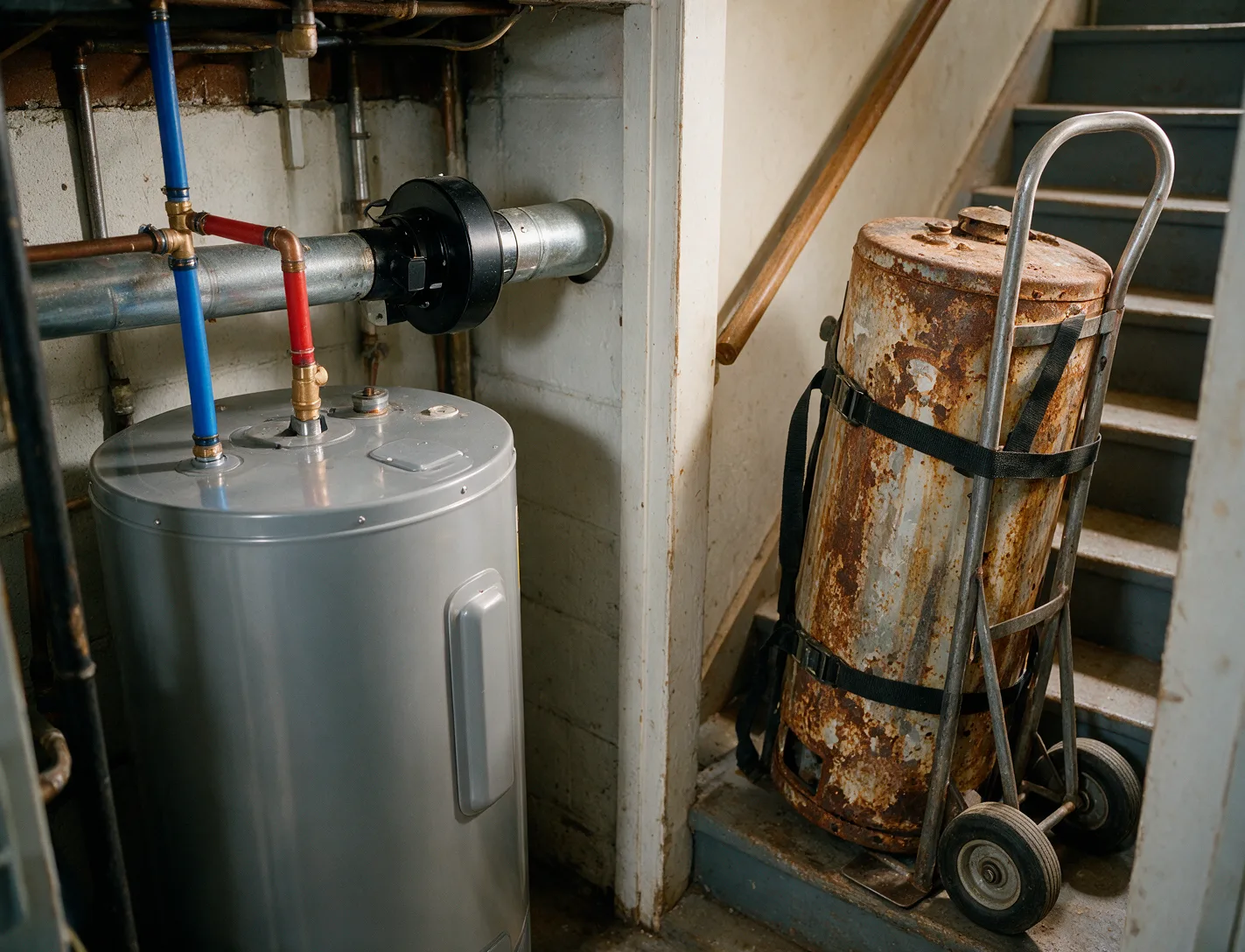
Warning Signs Replacement Is Needed
- Hot water runs out faster than it did last winter.
- Rust colored sediment shows up in the bathtub or sink.
- Popping or rumbling sounds come from the tank during heating.
- Water leaks from the top or bottom seams of the tank.
- The pressure relief valve drips even after it is tested.
What Technicians Measure on Site
We check the age stamp on the tank and look for external rust along the seams and at the anode rod opening. The venting system is inspected for proper slope and material, whether it is single wall or double wall pipe. Gas line size is measured to confirm it can deliver enough volume for the new burner.
Electric units get their supply cable and breaker checked for correct amperage. We also note the clearance to combustibles and the condition of the shutoff valves on the cold and hot lines. These measurements decide whether a direct swap is possible or if additional piping changes are required.
Installation Options and Parts Used
Tank models are set on a new stand if the floor is uneven and connected with copper or PEX lines. A new expansion tank is added when required by code to protect the system from thermal expansion. Dielectric unions are installed at the connections to prevent corrosion between dissimilar metals.
Tankless units need a larger gas line in many older homes and a condensate drain line. We run new venting through the roof or wall using stainless steel pipe rated for the unit. Both types receive new isolation valves so future service does not require draining the whole house.
Steps Homeowners Take Before Arrival
Clear a path to the unit and remove any stored items around it. Locate the main water shutoff and test that it turns easily in case we need to isolate the house. Note the age of the current heater and whether it is gas or electric so we bring the correct replacement.
If the unit is leaking heavily, place a bucket under the drip and keep the area ventilated. Do not attempt to drain the tank yourself if you are unsure of the valves or if the water is still hot. We handle the full removal and disposal once on site.
Common Causes That Lead to New Installation
Most replacements happen because the glass lining has failed and the steel tank begins to rust through. Anode rods that were never replaced speed up this process in hard water areas. Sediment buildup at the bottom also causes overheating and early failure of the burner or elements.
Undersized original units fail to keep up after bathrooms or appliances are added. Poor venting on gas models causes repeated shutdowns and short cycling. When these issues repeat after repairs, we recommend full replacement rather than repeated part swaps.
Water Heater Installation questions
How long does a typical water heater installation take?
Most direct swaps take four to six hours once the water is shut off. Tankless conversions often require an extra half day because of larger gas lines and new venting runs through the structure.
Can I keep using the old unit until it stops working?
Continued use risks sudden leaks that can damage floors and belongings. Once rust appears in the water or the tank shows external corrosion, replacement should be scheduled to avoid emergency shutoffs.
What size water heater do I need?
We calculate first hour demand based on the number of bathrooms and appliances. The existing gas line capacity or electrical service often limits the options more than the gallon rating alone.
Do you remove the old tank?
Yes. We haul away the old unit and any debris after the new one is tested and operating. Homeowners do not need to arrange separate disposal.
Book Water Heater Installation
Call Jersey Plumbing to schedule Water Heater Installation and have our technicians measure your current setup.