
Sump Pump Services in the USA
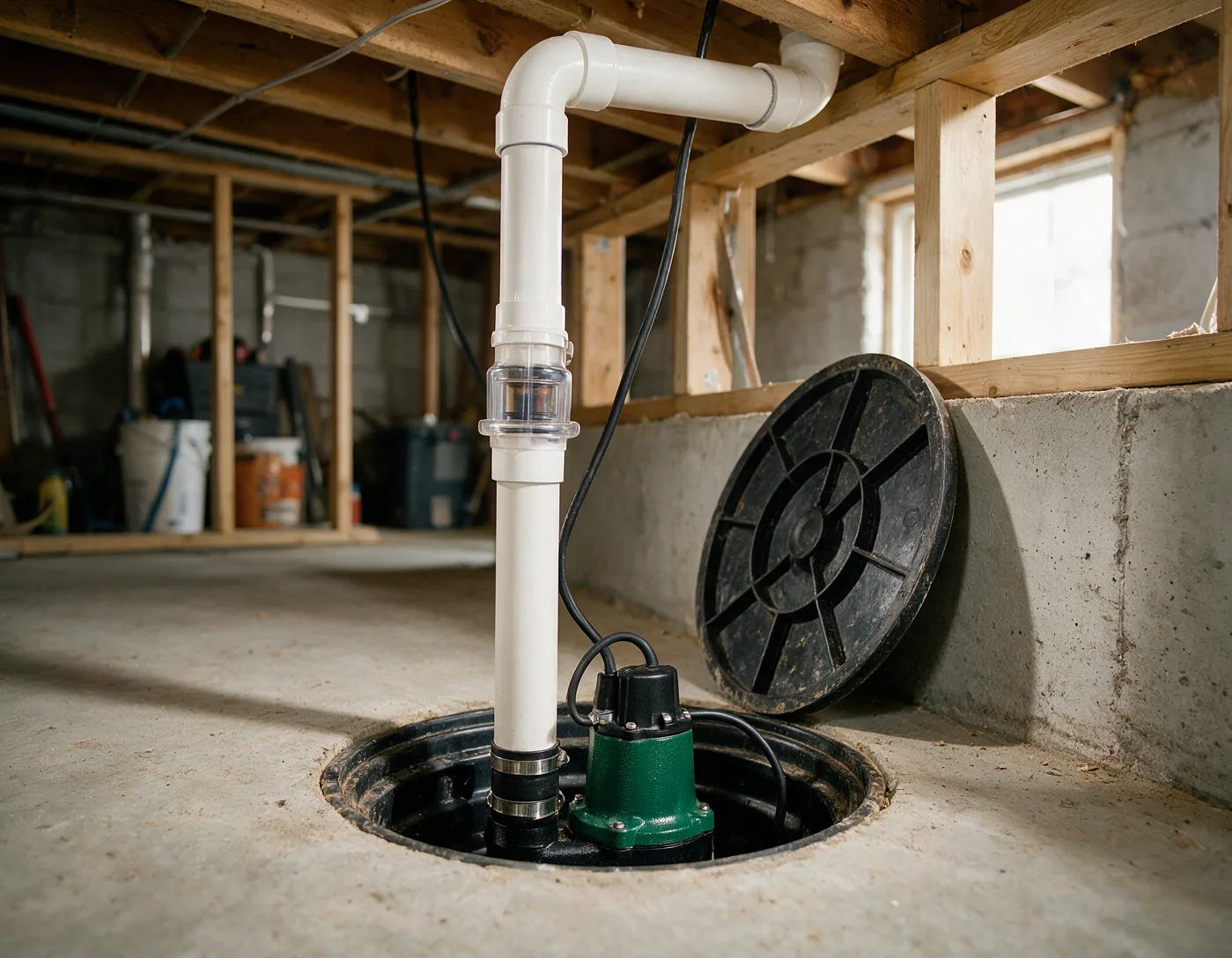
Sump pumps sit in a pit below the basement floor and push water out through a discharge pipe when groundwater rises. Our technicians see failures when the motor burns out, the float sticks, or the check valve leaks back. Old cast iron or galvanized discharge lines often rust through and let water return into the pit. Battery backup units fail when the battery sits dead for years.
Heavy rain overloads the system if the pump capacity is too small for the house. Clay soil around the foundation holds water longer and keeps the pump running constantly. We measure amp draw on the motor and test the float travel to find problems before the basement floods. Homeowners can clear debris from the pit but should not open the motor housing. Water heater issues often trace to sediment so Jersey Plumbing checks that in sump pump services across USA.
Warning Signs the Sump Pump Is Failing
- Motor hums but no water leaves the pit.
- Water level stays high after the pump cycles.
- Rust flakes appear in the discharge pipe.
- Clicking sound repeats every few minutes.
- Basement smells musty near the sump pit.
Common Causes of Sump Pump Trouble
Power loss stops the pump during storms when it is needed most. A tripped breaker or loose plug leaves the pit filling. Our technicians check the outlet first and then trace the cord for damage from rodents or water.
Float switches corrode or get jammed by debris. The pump never turns on and water rises past the alarm point. We replace the switch with a vertical or tether style depending on pit size and clearance.
Check valves crack or the flapper sticks open. Water runs back into the pit and the pump short cycles. A new valve with a union makes future service faster and keeps the line sealed.
What Technicians Measure on Site
We measure the distance from the pit bottom to the discharge outlet and verify the pump head rating matches the lift. Undersized pumps burn out quickly on long runs. Amp draw tells us if the motor is straining against a clogged impeller.
The discharge pipe slope and termination point matter. Pipes that end too close to the foundation send water right back under the slab. We trace the line outside and note any low spots that trap water and freeze in winter.
Battery backup voltage and charger output are tested. A dead battery leaves the home unprotected during outages. We note the age of the primary pump and recommend replacement when seals start weeping.
Repair Versus Full Replacement Choices
Motors can be swapped on many cast iron bodied pumps if the volute is still sound. We carry common seals and impellers for quick fixes. Plastic pumps are usually replaced because the housing cracks and cannot be rebuilt.
A new pump with a higher GPH rating handles sudden rain better than the original unit. We install models with built in check valves and alarm contacts when the homeowner wants early warning. Discharge pipe is switched to PVC or ABS to stop rust problems.
Sump pit liners with gas tight lids reduce odor and keep debris out. We cut the liner to fit existing tile lines and seal the joints so radon or moisture does not enter the living space.
Steps Homeowners Take Before Arrival
Locate the breaker for the pump and confirm it is on. Plug the cord into a different outlet to rule out a bad receptacle. Note whether the motor hums or stays silent when water is poured into the pit.
Clear visible debris from the pit surface but avoid reaching near the impeller. Photograph the pump label so we know the model and horsepower. Write down how often the pump runs during normal rain.
Move stored items away from the pit so we can work without delay. Have a wet vac ready only if water is already rising onto the floor. Do not attempt to bypass the float switch with wire.
Sump Pump Services questions
How often should a sump pump be tested?
Pour water into the pit every three months and watch the pump start and stop. Listen for unusual noises and check that water leaves the discharge pipe outside. Replace the unit when it reaches eight to ten years old.
Can the pump run dry without damage?
Short dry runs wear the seals faster but do not destroy the motor immediately. Constant running from a stuck float overheats the windings. We install a secondary float switch as backup on most service calls.
What pipe material lasts longest outside?
Schedule 40 PVC resists freeze damage better than flexible hose and does not rust like galvanized. We slope the line away from the house and end it at least ten feet out to keep water from returning under the slab.
Is a battery backup worth adding?
Battery backups run the pump for several hours during outages common in storms. They prevent flooding when the main power fails. We test the battery and charger each visit and replace them on a set schedule.
Schedule Sump Pump Services
Call Jersey Plumbing for sump pump inspection, repair, or replacement across the USA.