 01
Drain Cleaning
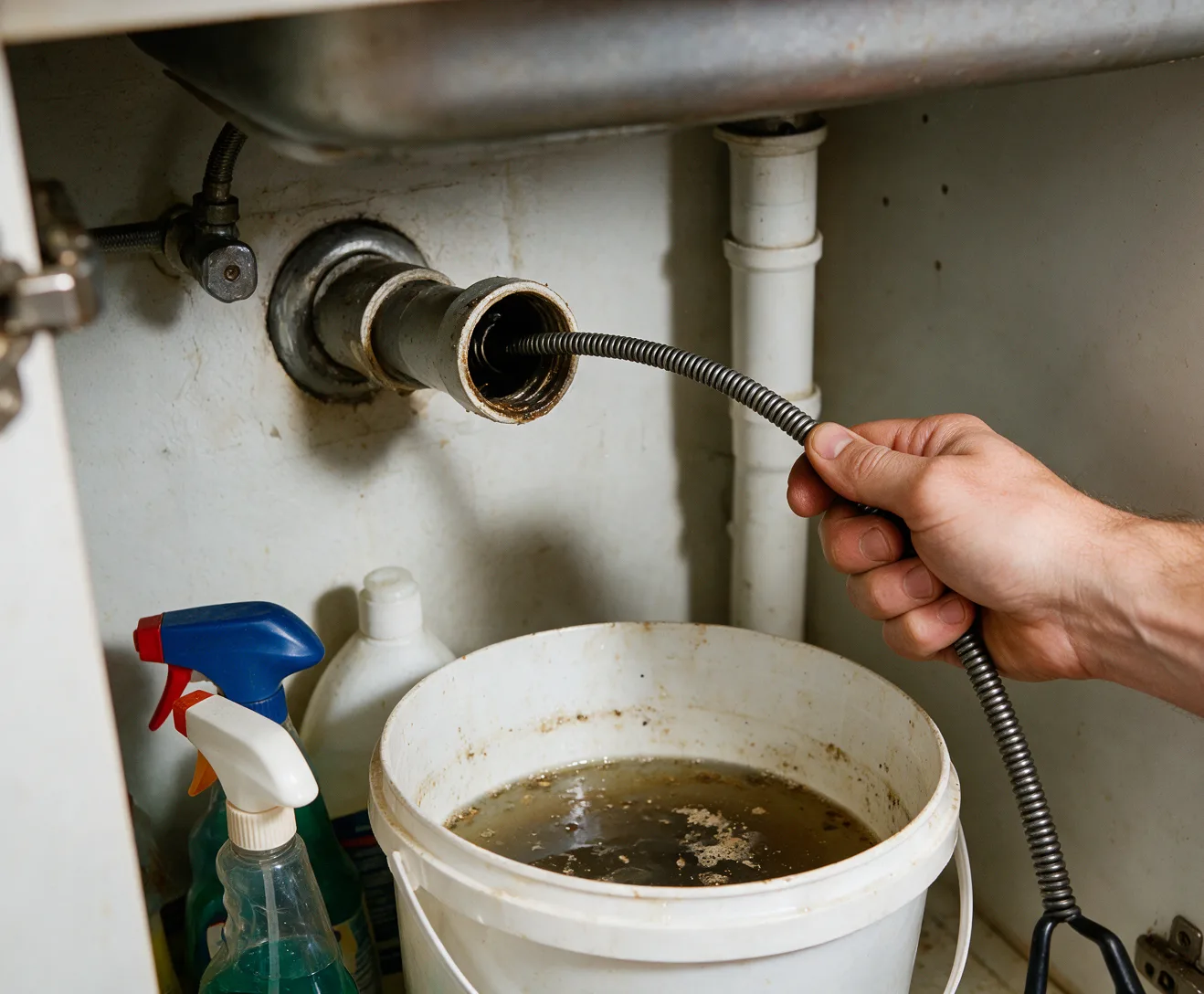
Main line stoppages usually trace to grease or root intrusion at old joints. We run a cable to clear the pipe and inspect the cleanout for repeated buildup points.
Plumbing · the USA
We send crews nationwide to fix water heaters and handle every type of plumbing job. Gas, electric, tank and tankless units all get the same direct approach.
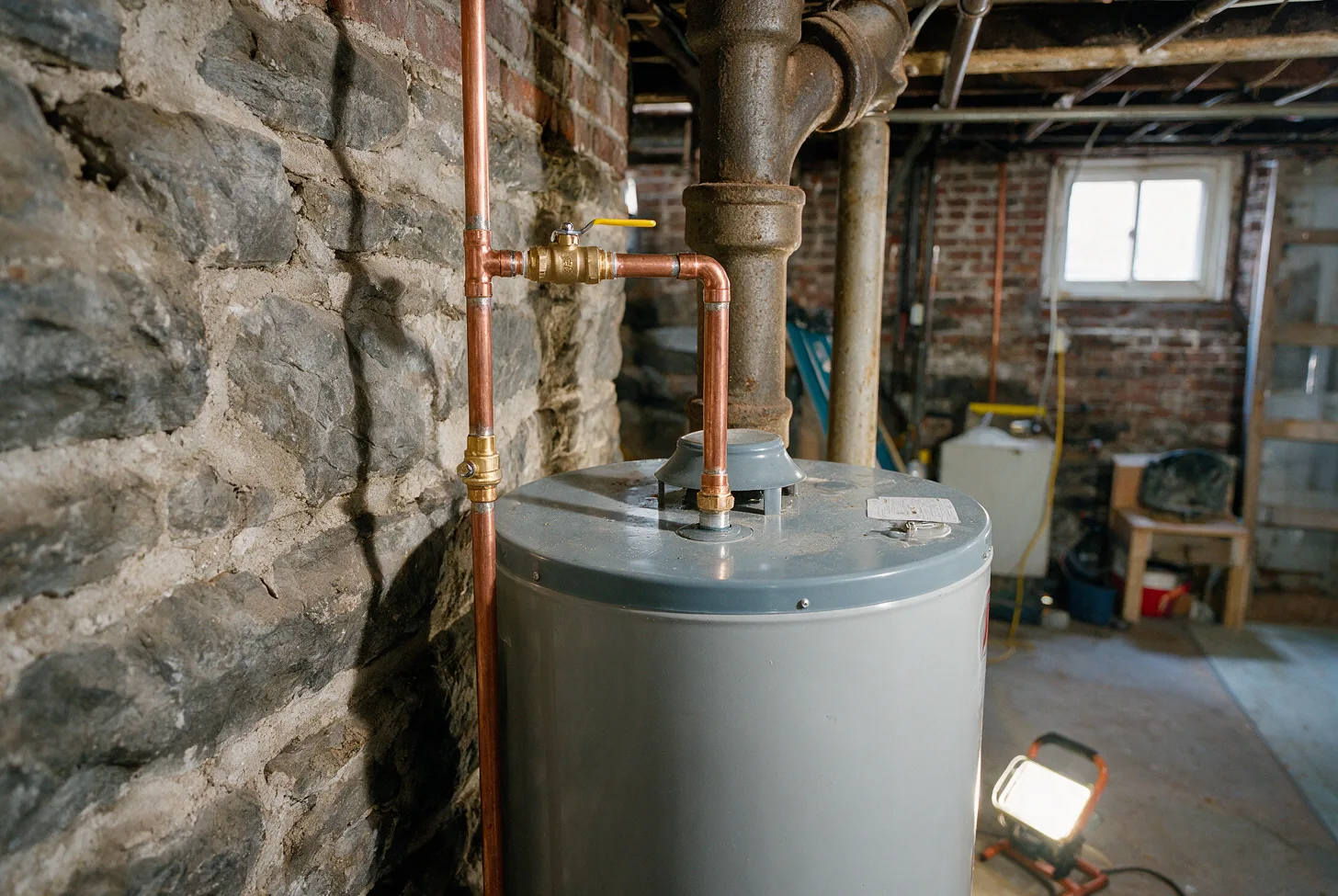
Our technicians close the main shutoff and test every valve around the water heater before touching internal parts.
We use a multimeter on heating elements and thermostats to find open circuits or bad connections right away.
Sediment gets flushed from the tank bottom to restore heat transfer and prevent future overheating trips.
Each service targets a common failure point in residential plumbing systems. Our technicians arrive with the tools to diagnose and correct the issue without extra steps.
01Main line stoppages usually trace to grease or root intrusion at old joints. We run a cable to clear the pipe and inspect the cleanout for repeated buildup points.
 02
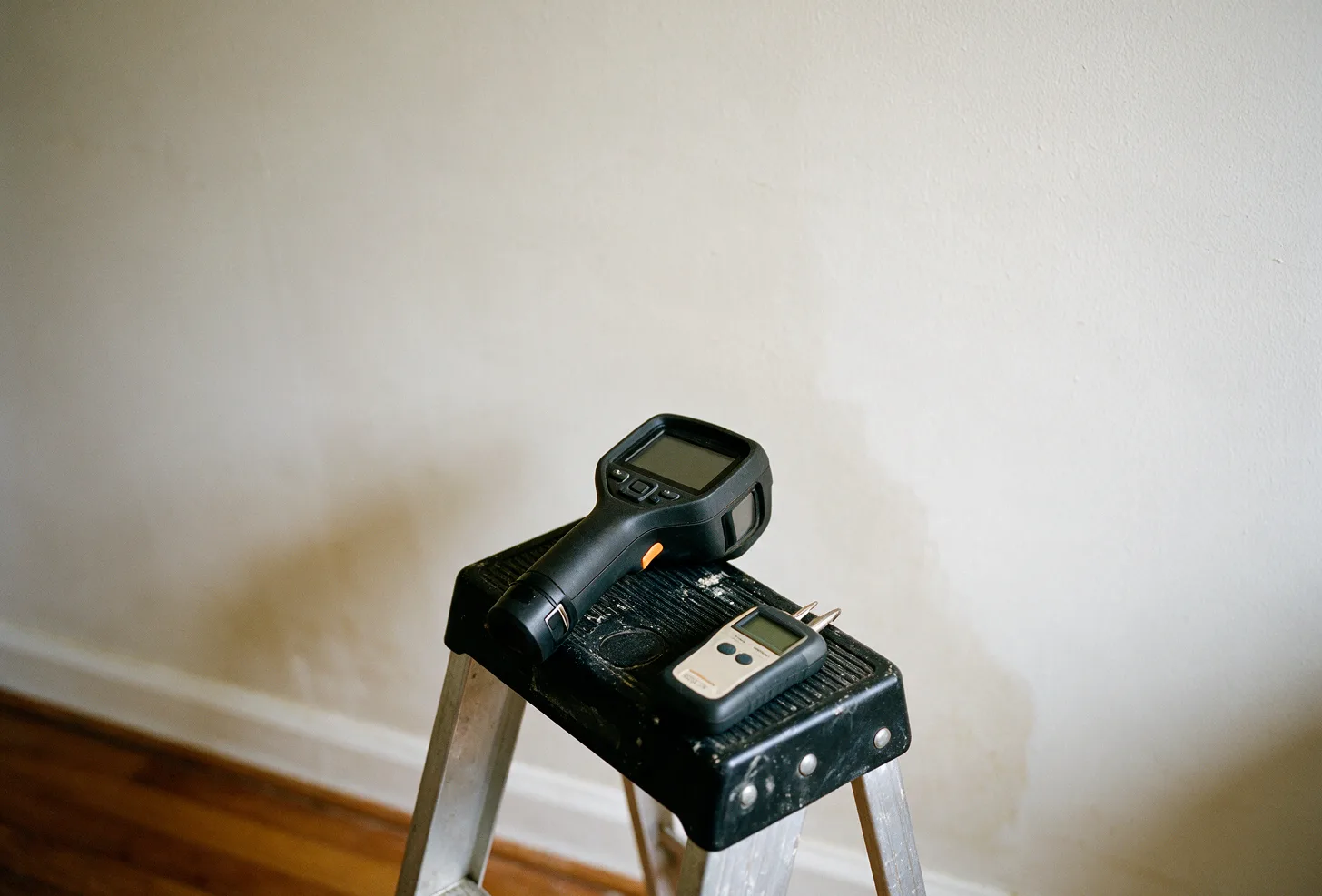
Hidden leaks show up as low pressure or ceiling stains. We isolate sections with pressure gauges and listen for flow to locate the exact pipe run.
 03
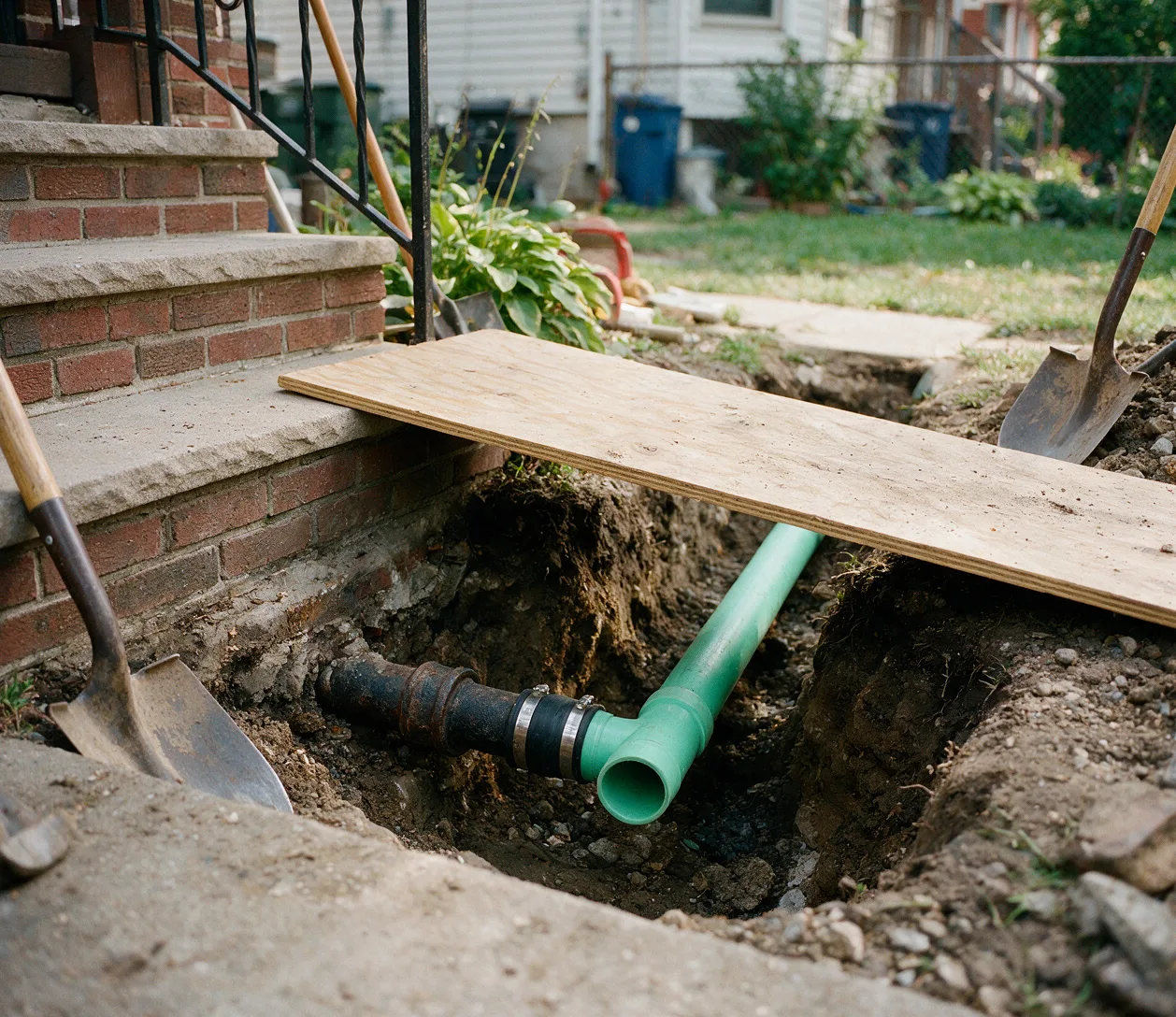
Collapsed or offset sewer lines back up fixtures on the lowest floor. We expose the break, align new pipe, and restore flow without disturbing the slab.
 04
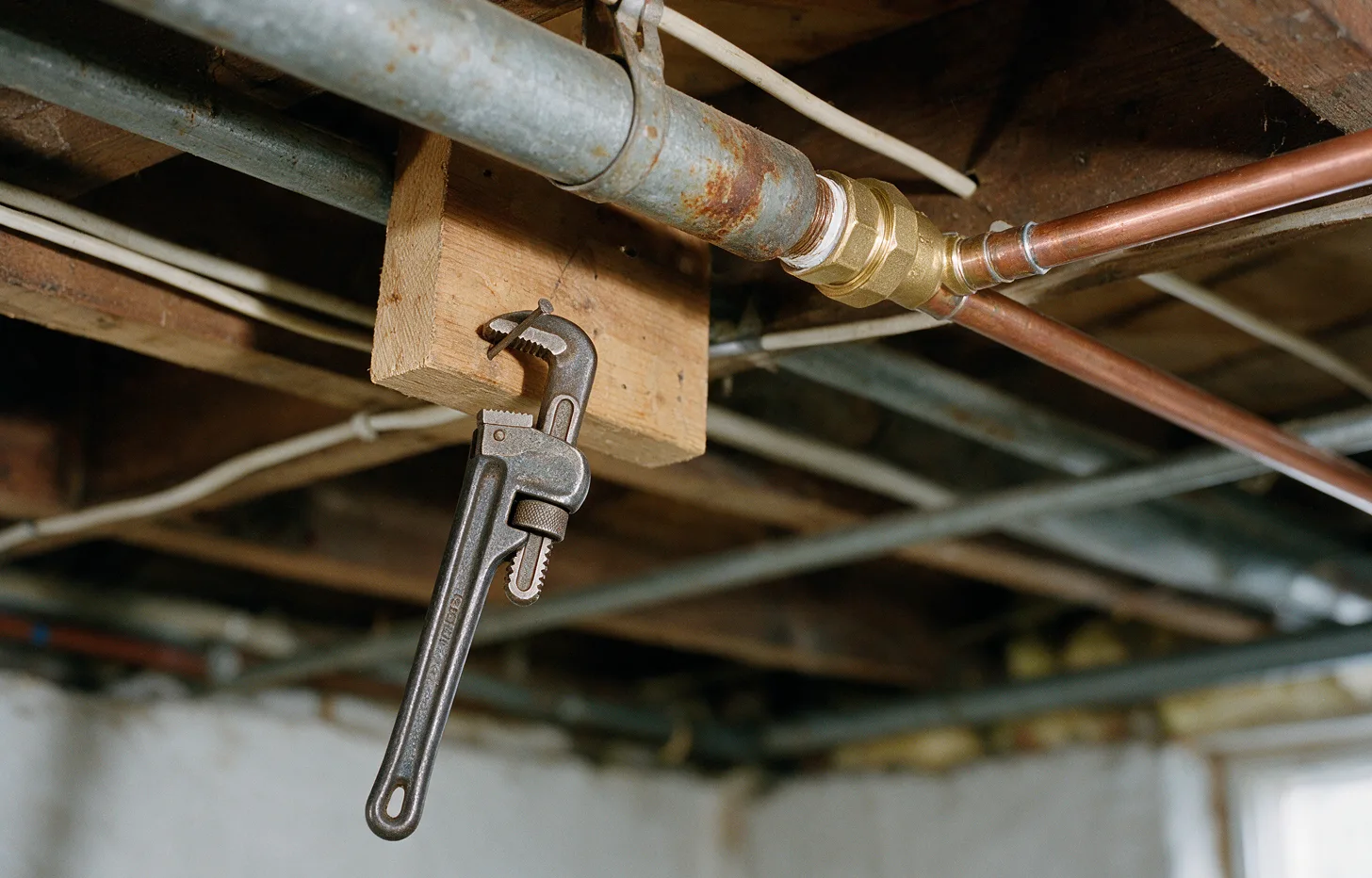
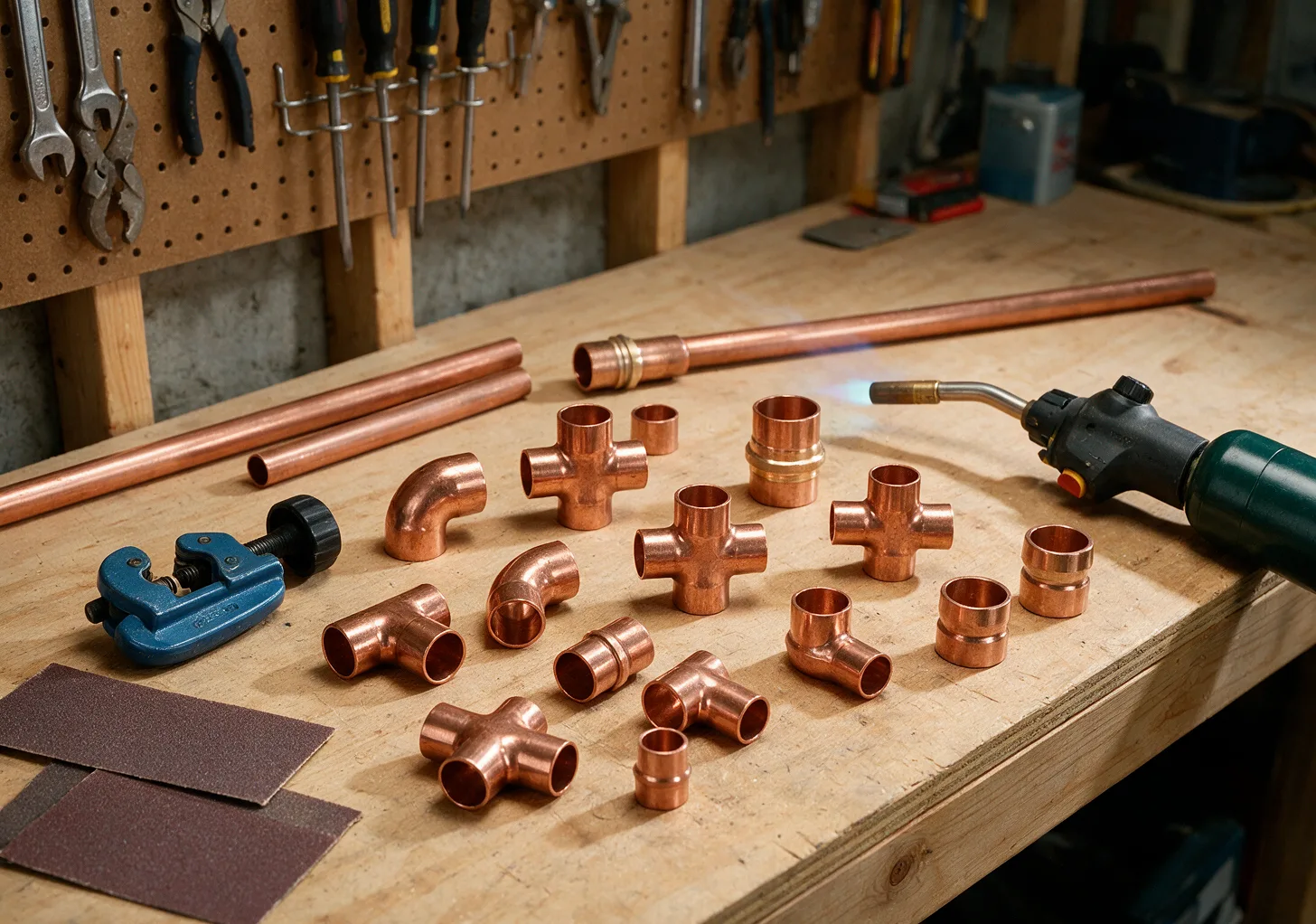
Galvanized lines rust through at threads while copper develops pinholes from acidic water. We cut out the damaged section and sweat or press in new material.
 05
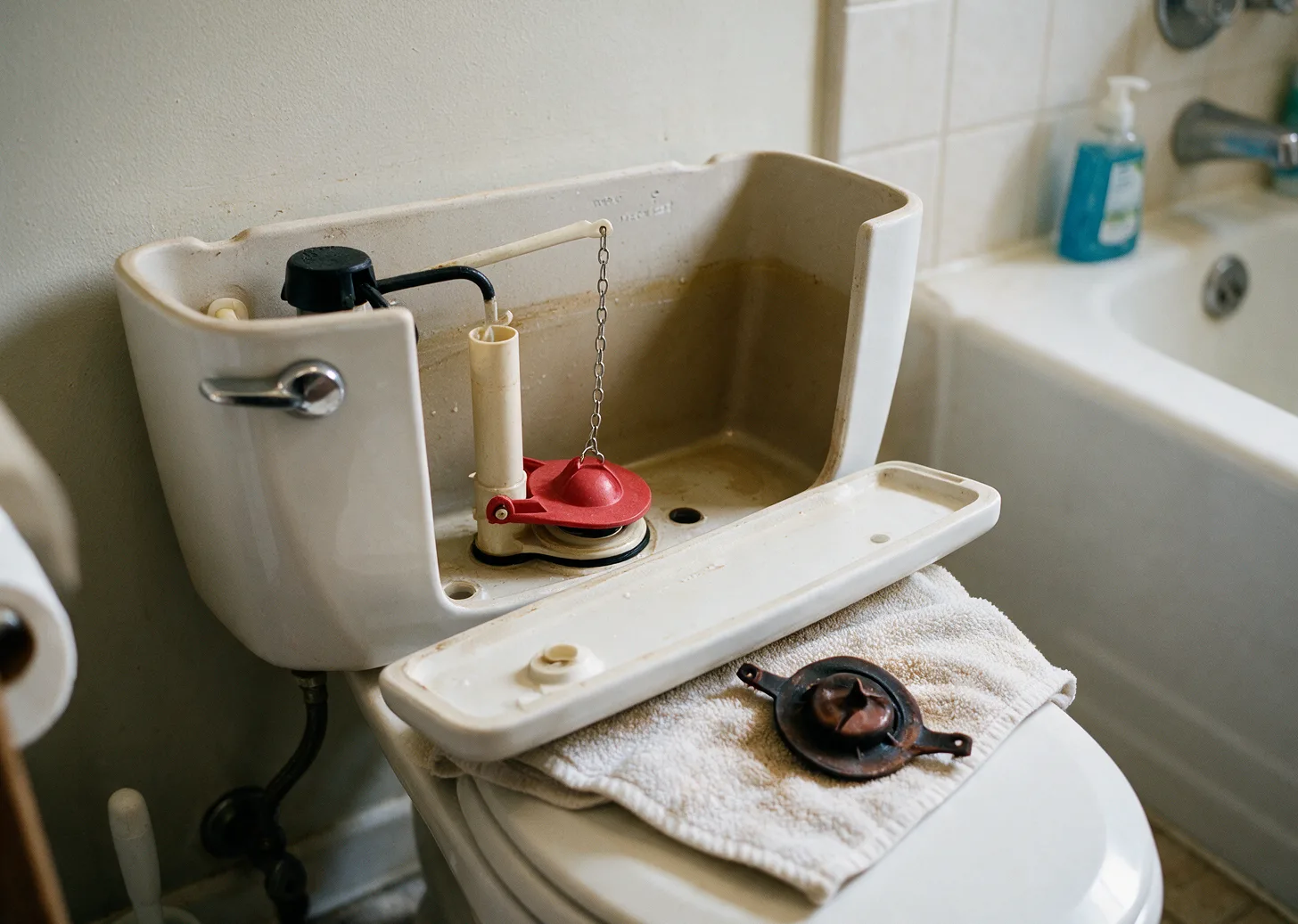
Running toilets waste water through a bad flapper or fill valve. We replace the seal and adjust the float so the tank refills once per flush.
 06
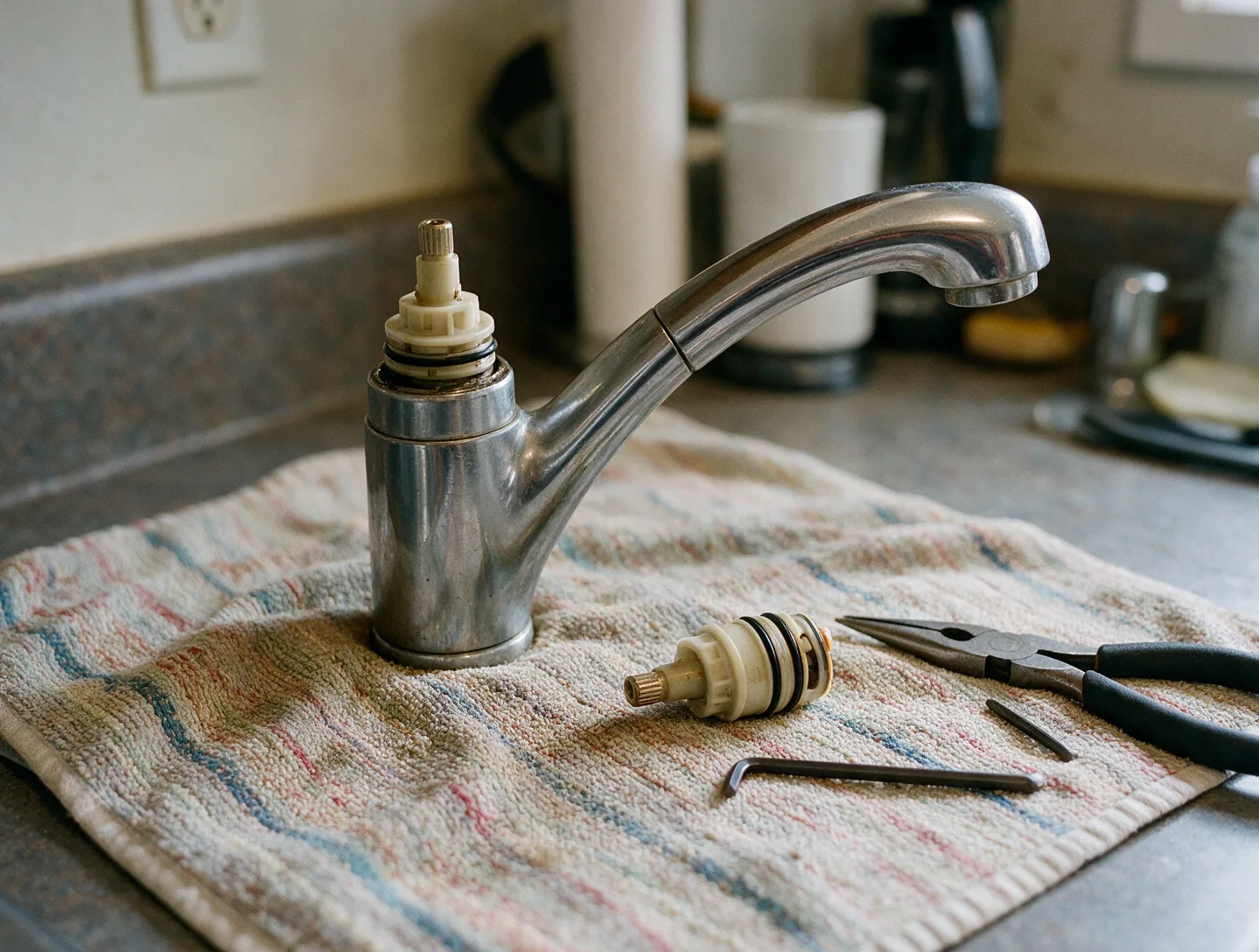
Drips start at worn cartridges or loose supply nuts under the sink. We replace the cartridge and tighten all connections to stop the flow.
 07
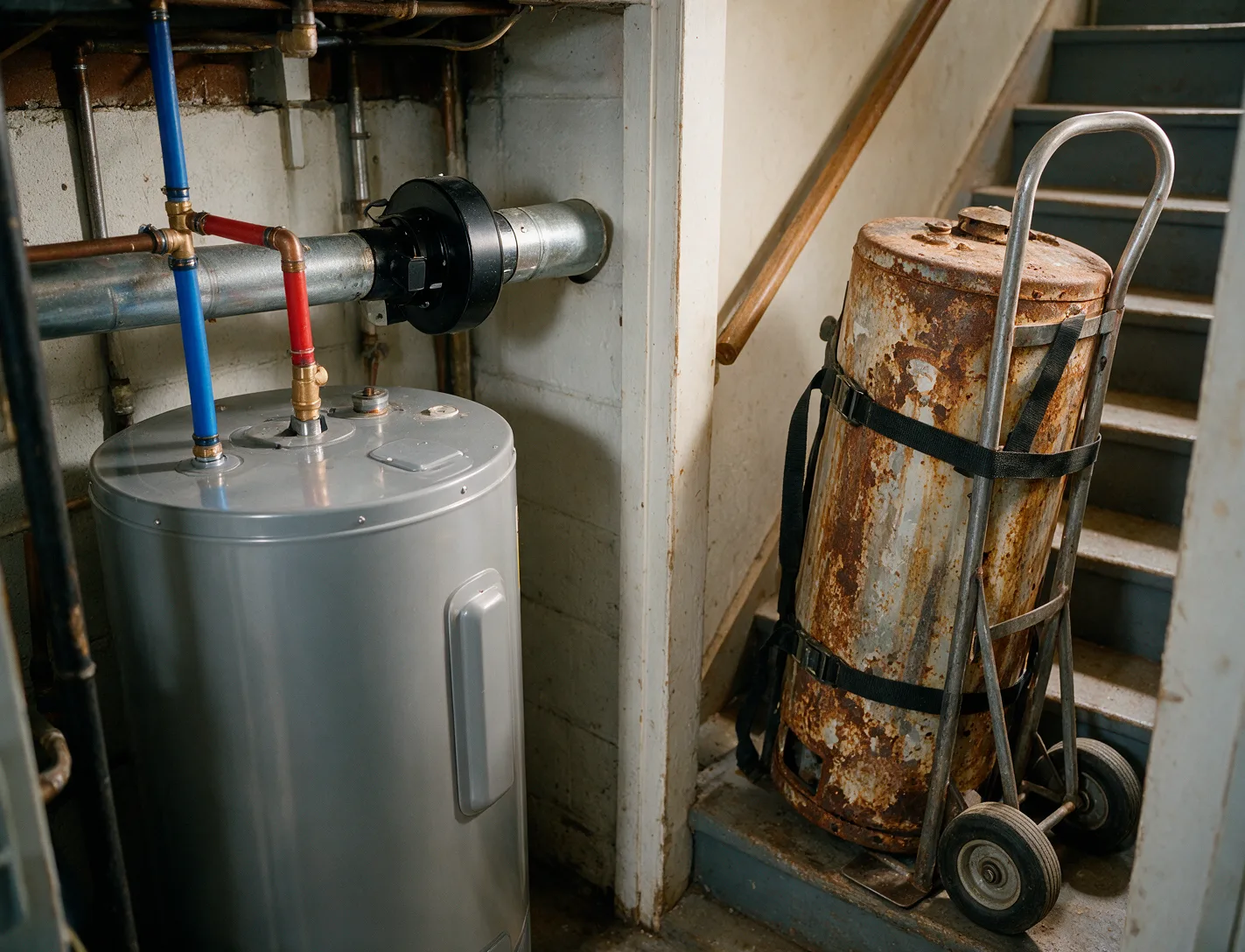
Old units fail when the anode rod is gone and the tank walls thin. We set the new heater on a proper stand, connect vents, and restore hot water.
 08
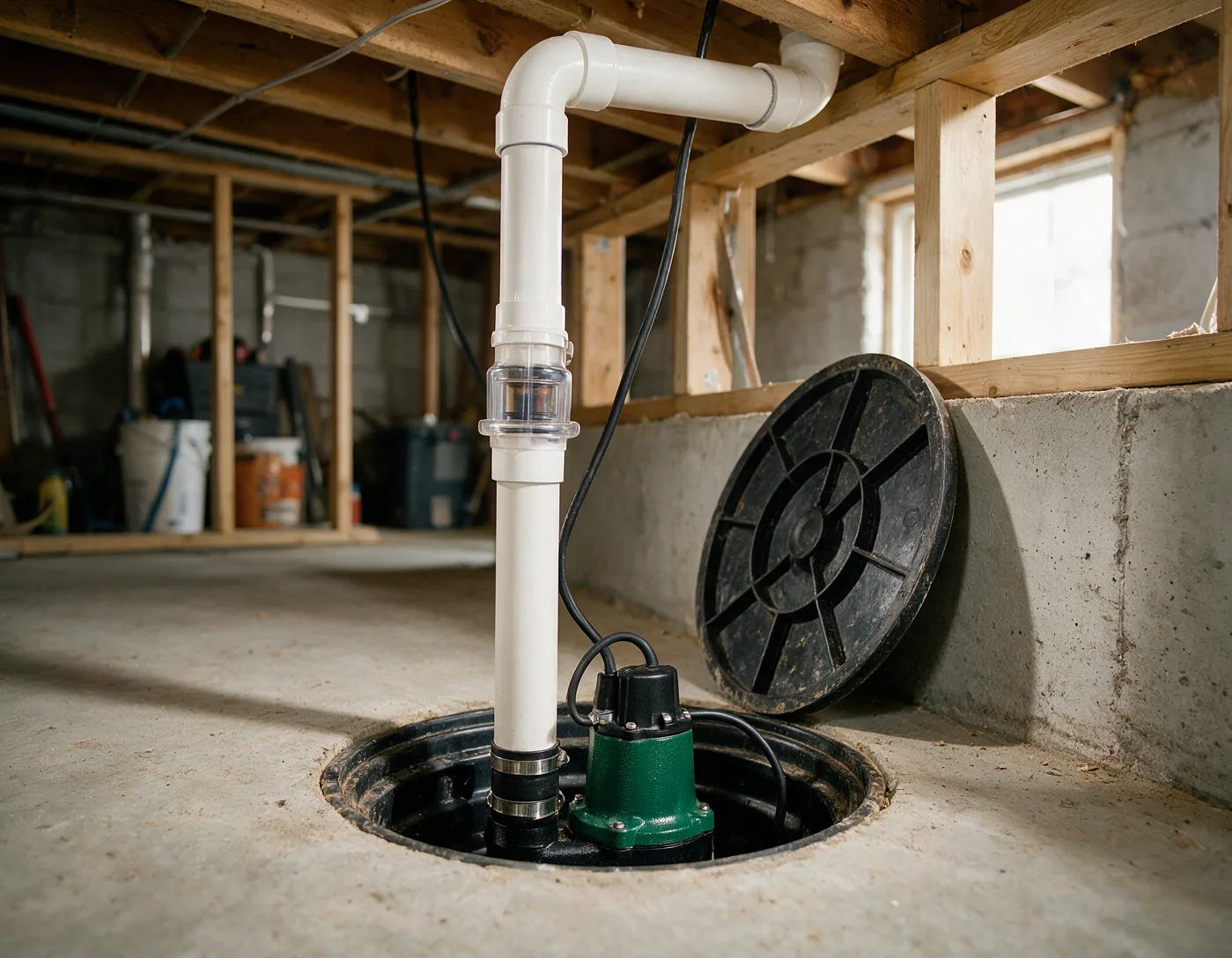
Sump pumps fail from float switch corrosion or impeller wear during heavy rain. We test the switch cycle and clear debris from the basin.
No hot water with cold inlet water usually means a failed upper element or tripped breaker. Leaking from the top or bottom points to a bad gasket or rusted tank seam. Rusty hot water shows the anode rod has dissolved and the tank is corroding from inside.
Knocking sounds during heat cycles come from steam bubbles under hard sediment on the bottom. Pressure relief valve discharge means the tank is overheating or the valve itself is weak. Each symptom points to one repair before the unit must be replaced.
Turn the thermostat to the off position and shut the cold water supply valve if water is leaking. If gas is present, move the control to pilot or off. Do not open the electrical panel or drain the tank until a technician arrives.
Open a hot faucet on the highest floor to relieve pressure inside the tank. Keep the area clear of belongings so access stays open. These steps stop further damage while the crew drives to the property.
We follow the same sequence on every call so nothing gets missed. Short steps keep the job moving and reduce return visits.
The technician confirms the problem with the homeowner, shuts off power or gas, and closes the cold inlet valve before any further work.
Elements, thermostats, and the relief valve are tested. Sediment depth is checked by draining a small amount from the tank bottom.
Failed parts are replaced with matching components. If the tank wall is thin or heavily scaled, the unit is removed and a new one is set in place.
Water is turned back on slowly, air is bled, and the heater is run through a full cycle to confirm temperature and no leaks.
Technicians first verify power or gas is isolated and the main water valve is closed. They drain a sample from the tank to check sediment level and test the elements with a meter. Leaks are traced to their source before any disassembly begins.
Repairs use factory gaskets and new elements sized to the tank. Once reassembled the tank refills slowly while air bleeds from the highest fixture. Final checks include temperature rise, relief valve function, and no drips at every joint.
A tank older than twelve years with active corrosion on the exterior usually gets replaced. If the anode rod is still present and leaks are only at the element gaskets, repair is the direct choice. Sediment flush and new elements often restore function without full replacement.
Tankless units are replaced when the heat exchanger shows scale that cannot be cleaned. The decision rests on visible tank condition and age, not on sales pressure.
Tank size, fuel type, and whether the unit sits in a tight closet or basement change the labor time. Access to shutoffs and the condition of the existing venting or electrical feed also add or subtract time from the job.
Repair of a single element or valve costs less than full replacement because fewer parts and less hauling are required. Older properties with rusted connections often need extra fittings that affect total time on site.
Cast iron drain lines and galvanized supply lines in older homes often fail at the same time the water heater does. We inspect the visible piping while working on the heater so the owner knows what may need attention next.
Rental properties require clear shutoff access and labeled valves so tenants can stop water quickly. We note any shared shutoffs and leave the unit labeled for future service calls.
The upper or lower element can open after years of use. A tripped double-pole breaker or bad thermostat also stops heat. We test both elements and the breaker first.
A rusted tank seam or failed gasket at the element lets water out. The temperature and pressure relief valve can drip if pressure is too high or the valve seat is worn.
Homeowners can attach a hose to the drain valve and open it briefly to remove loose sediment. Full flushing while the tank is hot risks cracking the glass lining.
Element or thermostat replacement usually finishes in under two hours once power is off. Full tank replacement takes longer because the old unit must be drained and hauled away.
A leaking relief valve signals excess pressure or temperature. The valve should be replaced and the cause investigated before the tank is put back into service.
We service gas and electric tankless heaters. Scale buildup in the heat exchanger and bad flow sensors are the most common failures we correct.
Call Jersey Plumbing when the heater stops or leaks appear. We handle the diagnosis and repair on site.