Toilet Repair in the USA
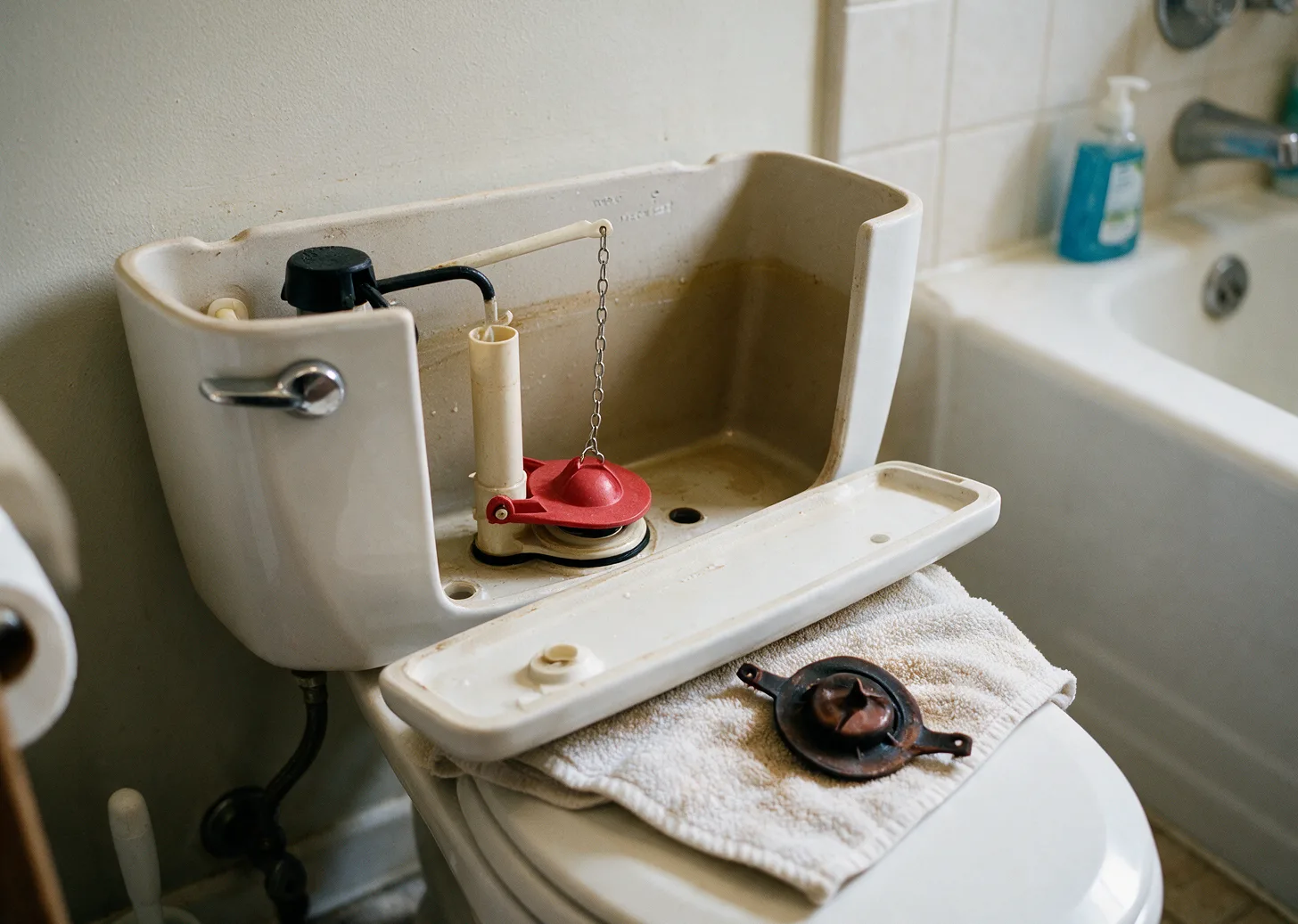
Our technicians start every Toilet Repair call by shutting the angle stop and checking the supply line for corrosion. Older galvanized pipes often restrict flow and crack at the threads. We pull the tank lid to inspect the flapper seat for mineral buildup that prevents a full seal. If water keeps running after the flush cycle, the fill valve needs replacement before it wastes gallons per day.
Homeowners can safely turn off the water at the wall valve and stop using the toilet until we arrive. Do not attempt to adjust the float or chain yourself if the parts are original to the house. We bring wax rings sized for the existing flange depth and brass or PEX supply lines that match the current rough-in. Basement flooding from failed sumps means calling Jersey Plumbing to complete toilet repair work across the USA.
Clear Signs Toilet Repair Is Needed
- Water runs constantly after the tank refills.
- Bowl water level drops overnight without use.
- Base shows dark rings or soft floor around the bolts.
- Flushing requires two or three handle pushes.
- Supply line sweats or drips at the shutoff valve.
Typical Causes in Older Homes
Cast iron soil stacks and galvanized branches feeding toilets corrode from the inside over decades. Rust flakes collect at the trap and reduce flow until the bowl will not clear. Wax rings also harden and crack, allowing sewer gas and water to escape under the bowl.
Copper supply lines develop pinholes near the shutoff where constant pressure meets dissimilar metals. The fill valve diaphragm wears out and no longer shuts off at the correct tank level. Chain links stretch or break, leaving the flapper open during the flush cycle.
What We Measure and Inspect
Technicians check the flange height above finished floor and the condition of the closet bolts. We measure static pressure at the angle stop and note any drop when the fill valve opens. The tank is removed to examine the flush valve seat for scoring that prevents a watertight seal.
We test the existing wax ring by rocking the bowl and watching for movement. Supply lines are checked for kinks and corrosion at both ends. If the bowl is cracked or the trap is glazed with mineral scale, we recommend full replacement rather than piecemeal fixes.
Repair and Replacement Options
Minor jobs include swapping the flapper, fill valve, and supply line while the bowl stays in place. When the wax ring has failed or the flange is damaged, we remove the bowl, clean the old wax, and reset with a new ring and brass bolts. Cracked tanks or bowls require a new two-piece or one-piece unit matched to the existing rough-in distance.
We carry standard 12-inch and 10-inch rough-in bowls with 1.28 or 1.6 gallon flush ratings. Tank internals are replaced with fluidmaster-style kits that fit older china. All work uses quarter-turn brass angle stops to replace corroded multi-turn valves.
What Homeowners Should Do First
Locate the shutoff valve behind the toilet and turn it clockwise until it stops. Place towels around the base to catch any remaining drips. Avoid flushing again or adding chemical cleaners that can mask the real source of the leak.
Note whether the problem is constant running, slow drain, or visible water at the floor. Have the age of the house and any recent work on nearby pipes ready for our technicians. This information helps us decide whether the repair can stay at the fixture or requires opening the wall or floor.
Toilet Repair questions
Can a running toilet be fixed without replacing the whole unit?
Yes. Most constant running issues come from a worn flapper or fill valve that we replace in place. We test the flush valve seat first. If the seat is scored we install a new flush valve assembly before deciding on a full bowl change.
Why does water appear around the base after flushing?
The wax ring has usually compressed or cracked. We lift the bowl, scrape the old wax, and reset with a new ring sized for the flange. Bolts are replaced at the same time so they do not leak later.
Should the supply line be replaced during Toilet Repair?
We replace it whenever the line shows corrosion or the shutoff valve will not turn fully. Flexible stainless or PEX lines with quarter-turn brass stops last longer than old copper or braided connectors and reduce future leak risk at the wall.
What if the flange is broken or below floor level?
We cut out the damaged section of pipe and install a new flange at the correct height. In some older homes this means opening the floor from below. The bowl is then reset on a reinforced ring to prevent future movement.
Schedule Toilet Repair
Call Jersey Plumbing for Toilet Repair when running water or floor leaks appear.