
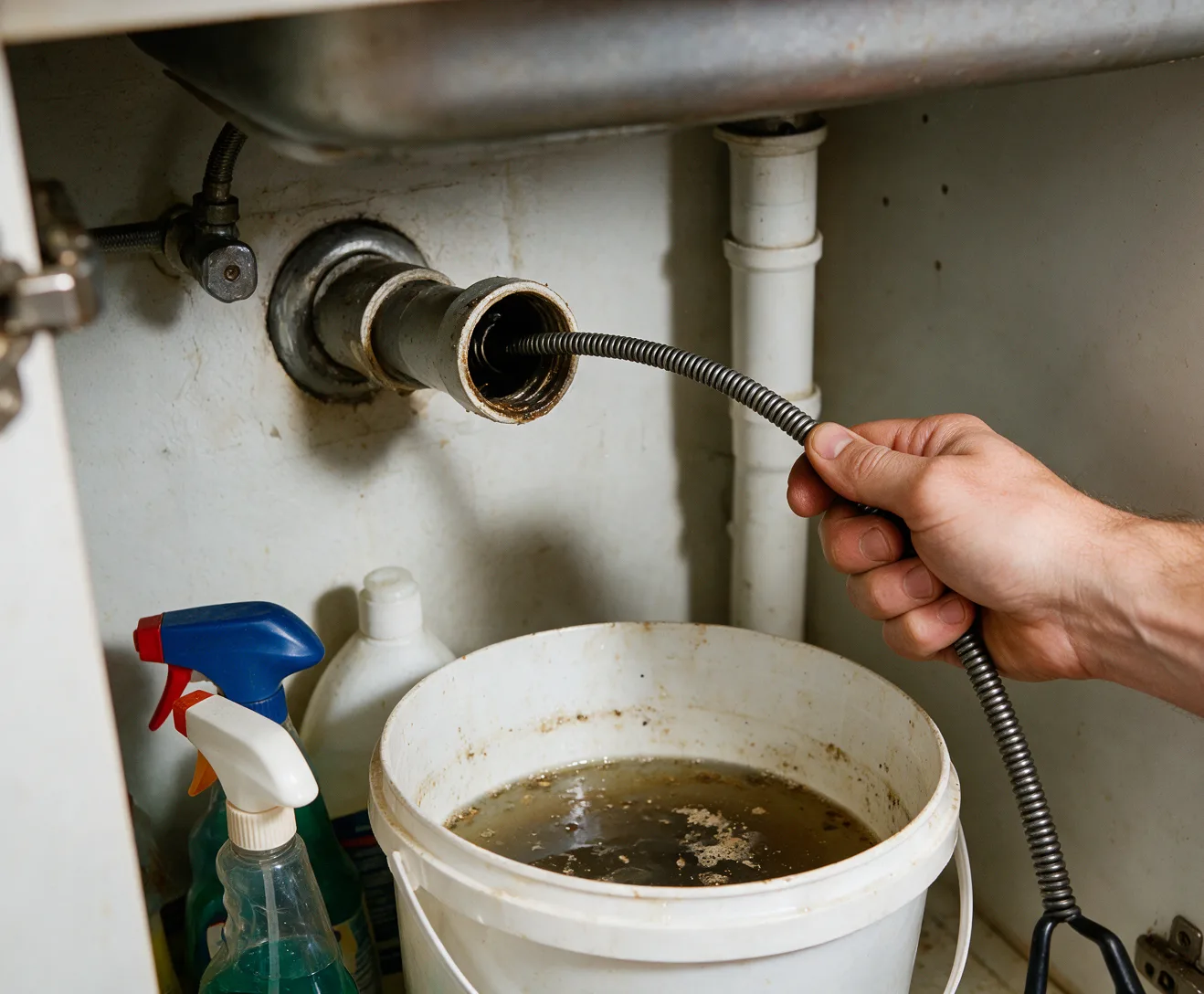
Drain Cleaning
Slow drains usually trace to grease, soap scum, or root intrusion in the main line. We use a power snake or hydro jet to clear the obstruction and then run water to confirm full flow returns through the trap and stack.
Old houses often show drain problems first through gurgling sounds or slow emptying in multiple fixtures. Our technicians run a camera into the line to locate the blockage or collapse instead of guessing at the surface.
Galvanized pipes develop rust scale that narrows the bore and raises pressure until joints leak. We map these sections by isolating valves and testing flow rates before any excavation or replacement begins. Every service below is available from Jersey Plumbing across the USA.
Slow drains usually trace to grease, soap scum, or root intrusion in the main line. We use a power snake or hydro jet to clear the obstruction and then run water to confirm full flow returns through the trap and stack.
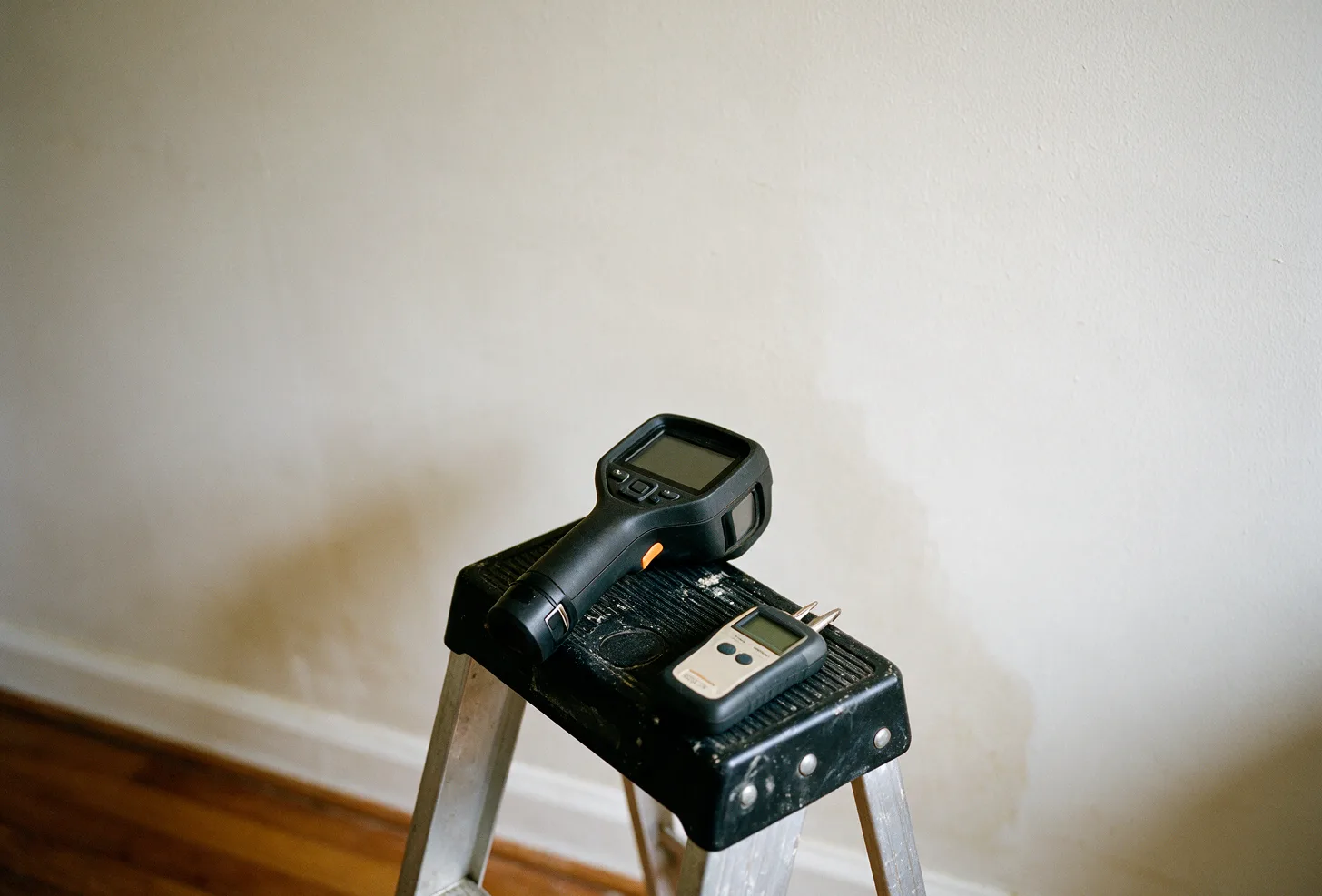
Moist drywall or unexplained spikes in the meter point to a hidden leak. Technicians isolate sections of copper and galvanized supply lines, then apply pressure tests and acoustic listening to mark the exact joint or pinhole without tearing up floors.
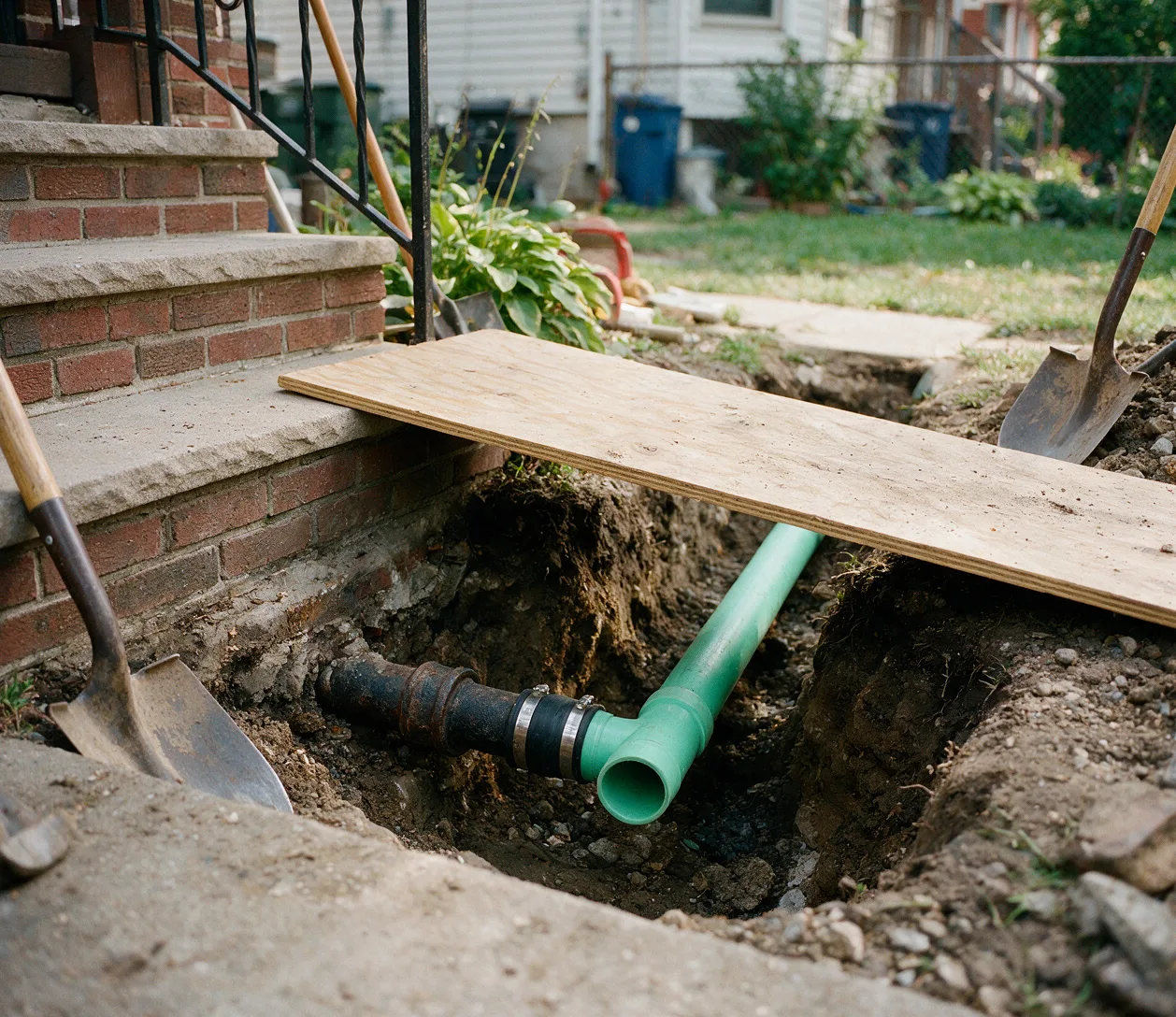
Sewer backups and foul odors often come from cracked cast iron or offset joints. We expose only the damaged length, replace the section with new pipe, and slope it properly so solids move freely to the street connection.
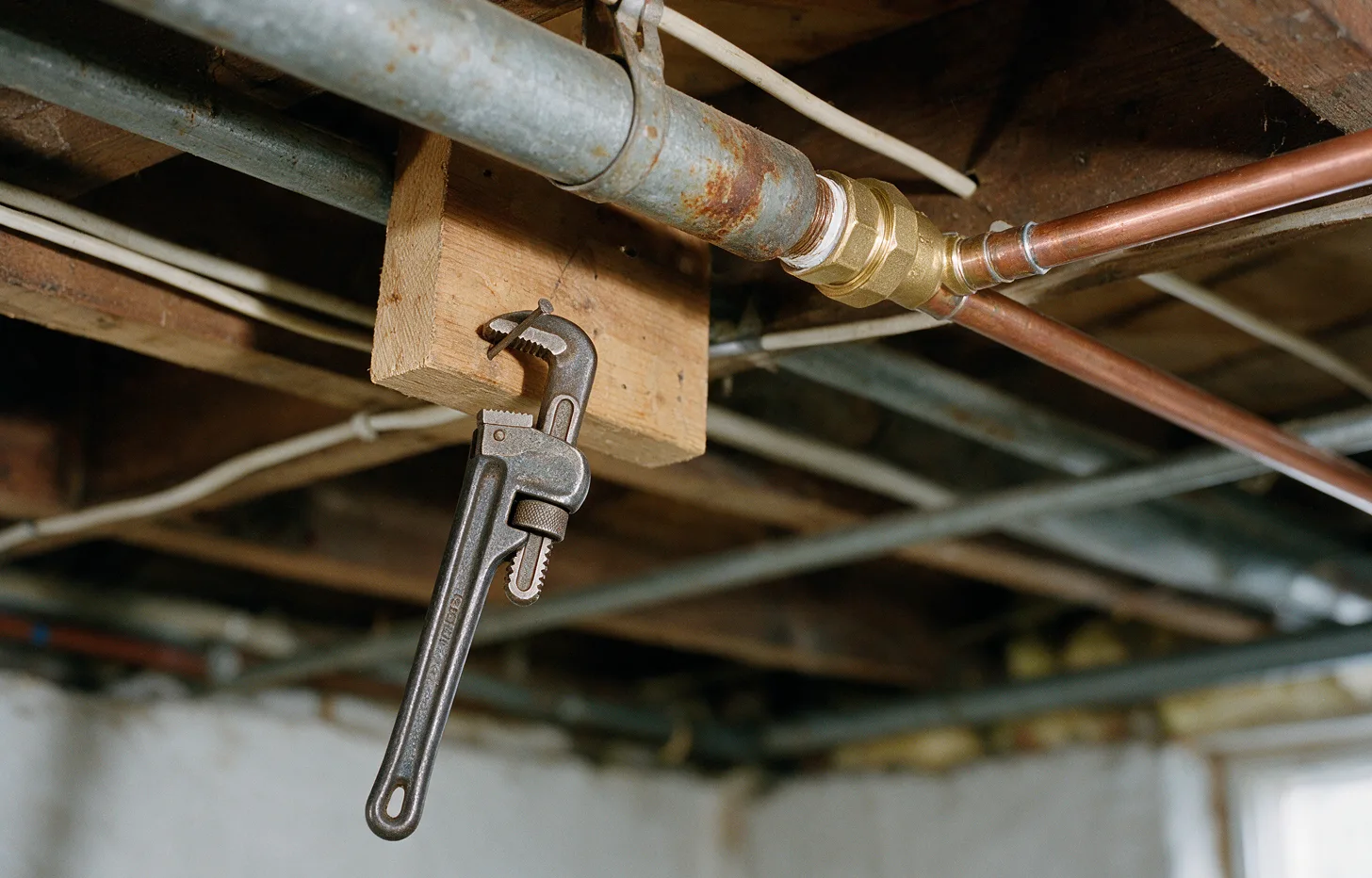
Corroded galvanized or burst copper shows up as reduced pressure or visible staining. We cut out the failed run, install new copper or PEX, and pressure test the repaired segment before restoring water to the house.
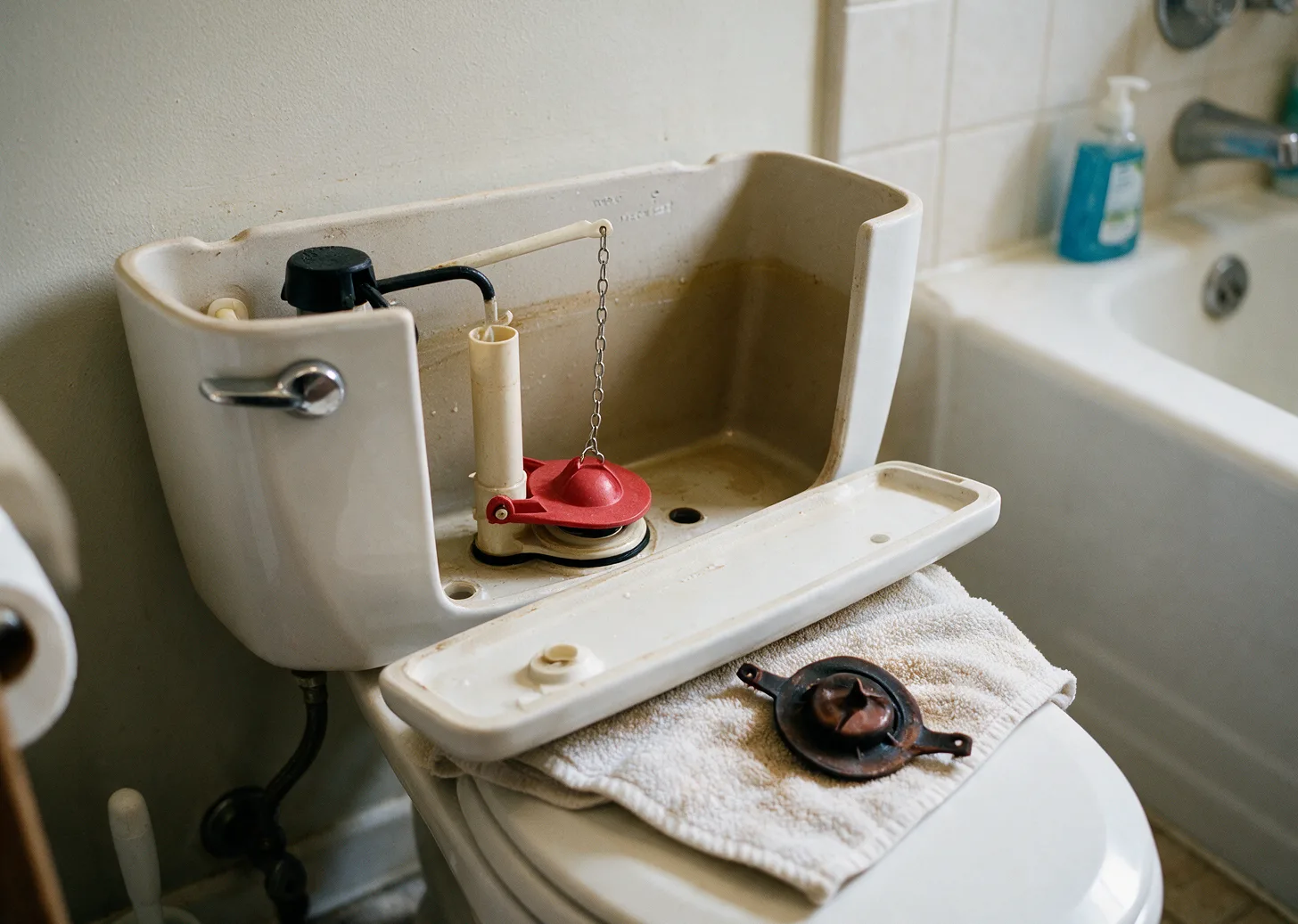
Running toilets or weak flushes stem from worn flappers, fill valves, or cracked bowls. We replace the internal parts, reset the wax seal if needed, and check the closet flange for level before leaving the fixture operational.
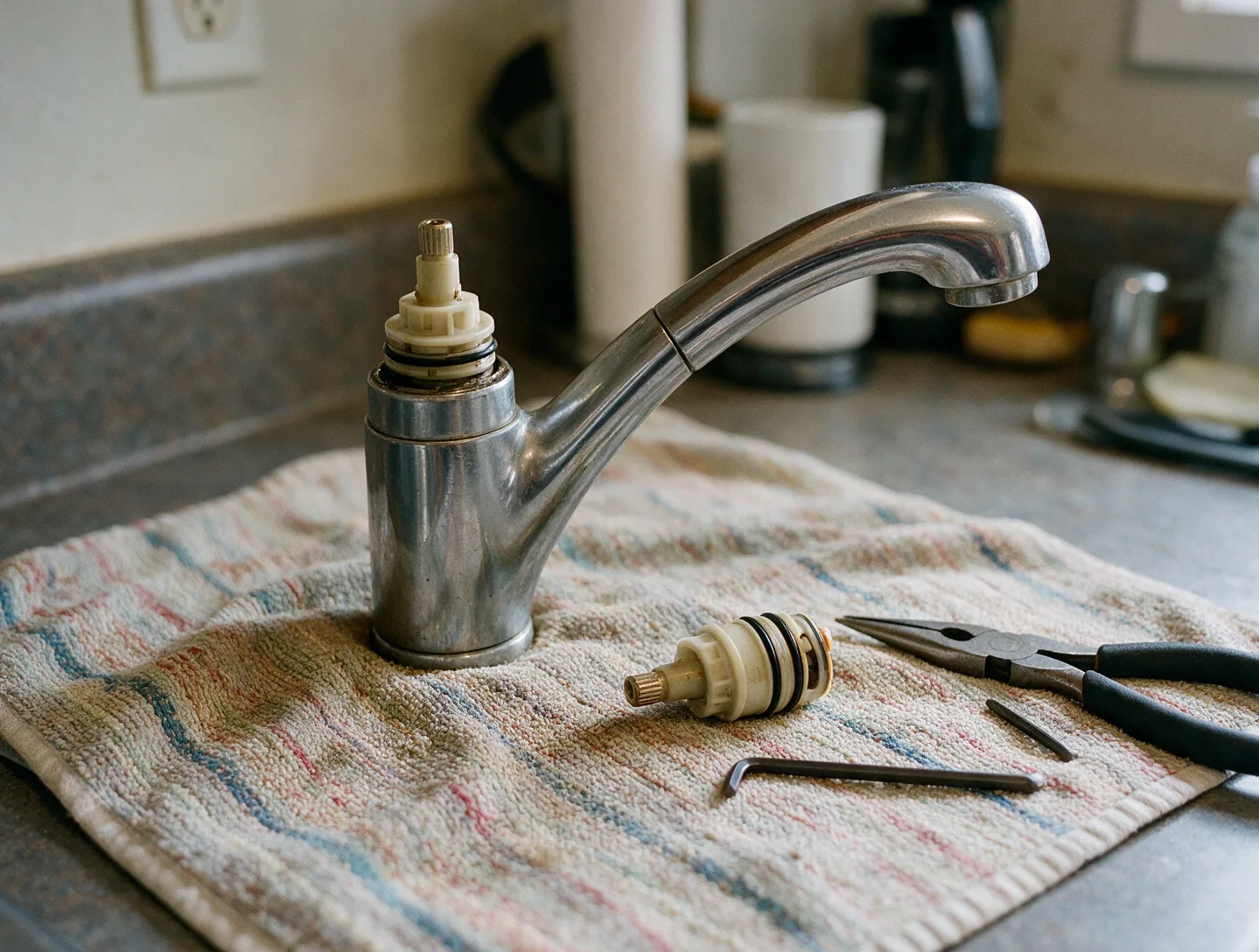
Dripping faucets waste water and stain porcelain when cartridges or seats wear out. Technicians disassemble the valve, replace the worn components, and adjust aerators so flow matches the original design without hammering.
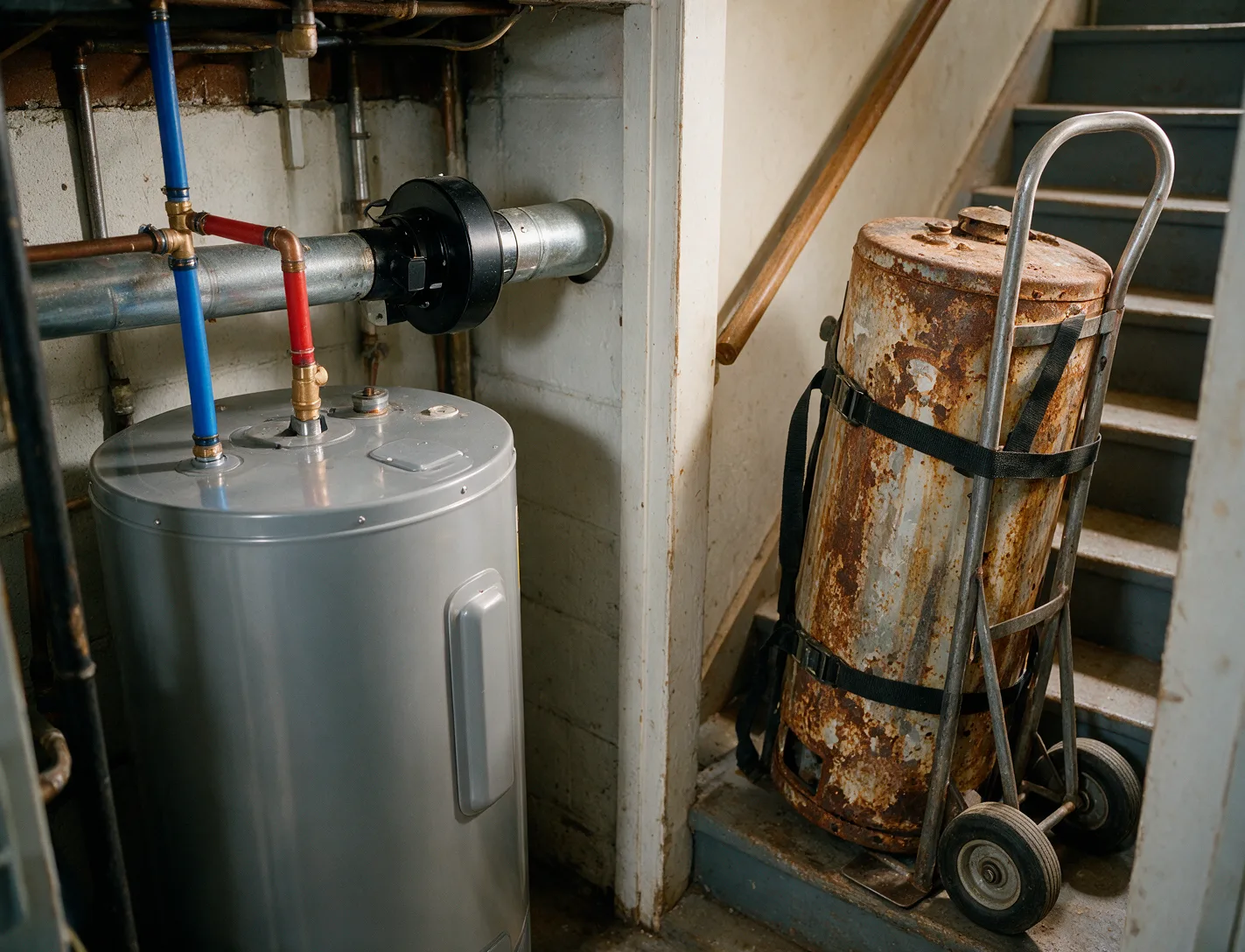
A leaking tank or insufficient hot water means the unit has reached end of life. We disconnect the old heater, set the new one on a proper stand, connect venting for gas models, and verify temperature and pressure relief valve function.
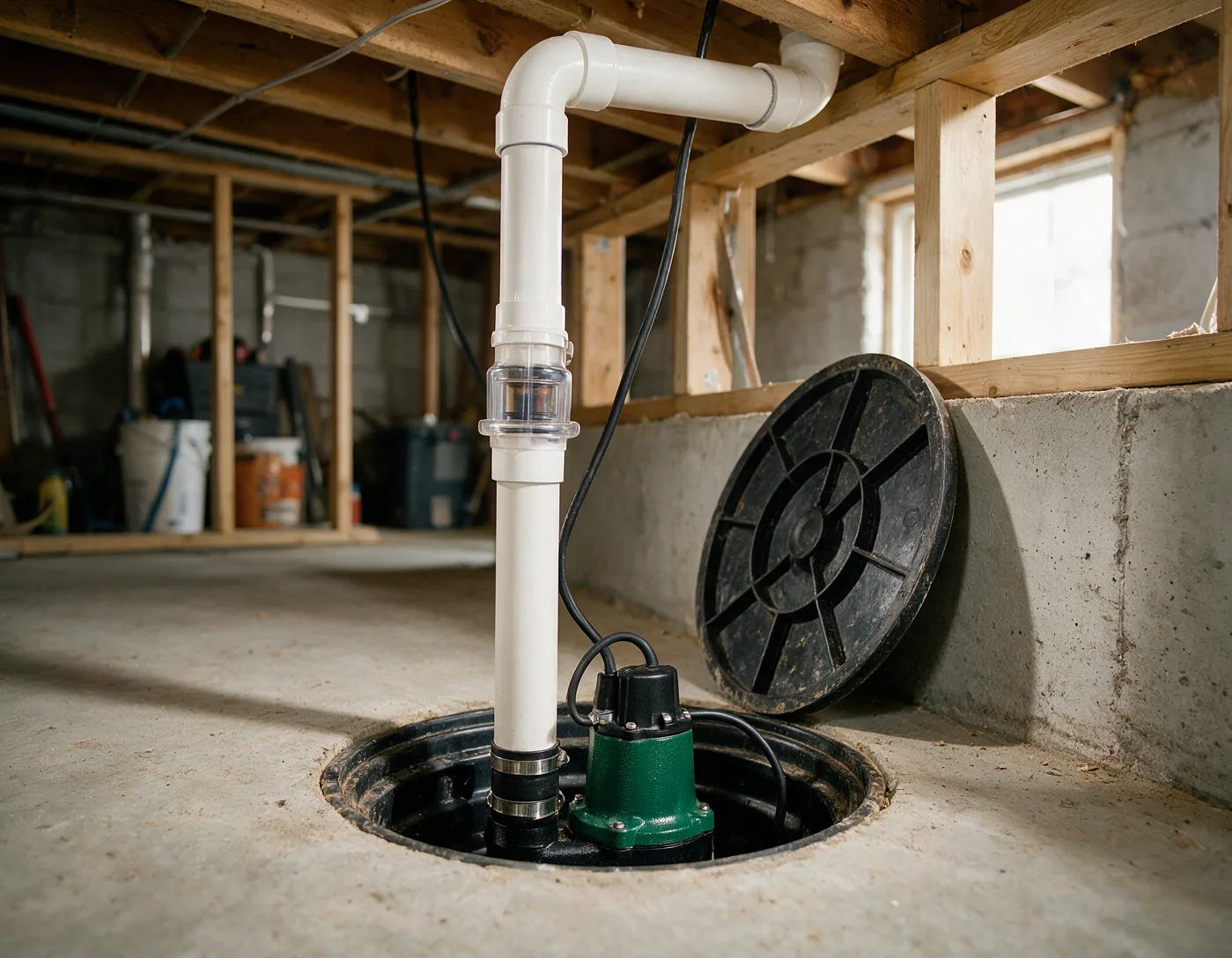
Sump pumps fail when float switches stick or check valves clog after heavy rain. We test the motor amperage, clear the pit of debris, replace the switch if it sticks, and confirm the discharge line carries water well away from the foundation.
Standing water near a floor drain or repeated clogs after snaking points to the main sewer or a collapsed drain line rather than a simple fixture issue. Wet spots on ceilings with no roof leak usually trace to supply or waste lines running overhead.
No hot water after checking the breaker or gas valve means the heater itself needs attention. Sewage smell only after rain suggests the sump pump or its discharge line has stopped moving water out before it backs into the basement.